




Who Can Be Held Liable for PFAS Contamination
Learn who can be held legally responsible for PFAS contamination, including manufacturers, military entities, and corporations, and what accountability may look like.

Our Network of Attorneys Are Recognized by the Best
GetCompensation.LAW has closely examined how PFAS contamination spreads—and, just as importantly, who should be held accountable for the widespread harm caused by these chemicals. While PFAS exposure often feels unavoidable to affected individuals, contamination is rarely accidental. In most cases, it can be traced back to specific decisions made by corporations, government entities, or manufacturers that failed to prioritize public safety.
Understanding liability is a critical step for individuals and communities seeking justice. PFAS lawsuits are not only about health consequences—they are about responsibility, transparency, and preventing future exposure.
Why PFAS Contamination Is a Legal Issue, Not Just an Environmental One
PFAS contamination does not occur in isolation. These chemicals were intentionally produced, distributed, and used despite growing evidence of their persistence and toxicity.
When contamination affects drinking water, soil, air, or consumer products, it raises serious legal questions. Who allowed PFAS to enter the environment? Who failed to warn the public? Who delayed action once risks became clear?
Liability focuses on answering these questions and assigning responsibility where negligence or misconduct occurred.
Chemical Manufacturers and Corporate Responsibility
One of the primary sources of PFAS contamination lies with chemical manufacturers that developed and sold PFAS compounds for decades. These companies often marketed PFAS as safe and essential while internal studies suggested otherwise.
Manufacturers may be held liable if evidence shows they:
- Knew PFAS posed health risks
- Failed to disclose known dangers
- Continued production despite safer alternatives
- Misled regulators or consumers
Many PFAS lawsuits allege that manufacturers prioritized profit over safety, allowing contamination to spread unchecked across communities and ecosystems.
PFAS in Consumer Products and Ongoing Exposure
Beyond industrial use, PFAS were widely incorporated into everyday items. From stain-resistant furniture to nonstick cookware, PFAS in consumer products became a hidden source of exposure for millions of people.
Companies that designed, manufactured, or marketed these products may face liability if they failed to warn consumers or misrepresented safety claims. Even when PFAS use has declined, older products remain in circulation, continuing to expose households.
This consumer-level exposure complicates liability but does not eliminate it—especially when risks were known but concealed.
Military Bases and Government Accountability
Military installations represent another significant source of PFAS contamination, largely due to the use of firefighting foam during training and emergency response.
Communities near bases have reported contaminated groundwater, while service members and their families may have been exposed through drinking water and daily activities. PFAS contamination in military bases has become a focal point for litigation, particularly for veterans who now face serious health conditions.
While lawsuits involving government entities can be complex, legal avenues may exist when negligence, failure to remediate, or lack of warning caused harm.
Veterans and Unique Legal Challenges
Veterans exposed to PFAS often face additional hurdles when seeking accountability. Exposure may have occurred decades earlier, and records can be difficult to obtain.
Despite these challenges, veterans may pursue legal recourse against manufacturers of PFAS-containing products or contractors responsible for contamination. In some cases, claims focus on failure to protect service members from known environmental hazards.
These cases underscore the importance of documenting exposure history and understanding available legal pathways.
Corporate Facilities and Local Contamination
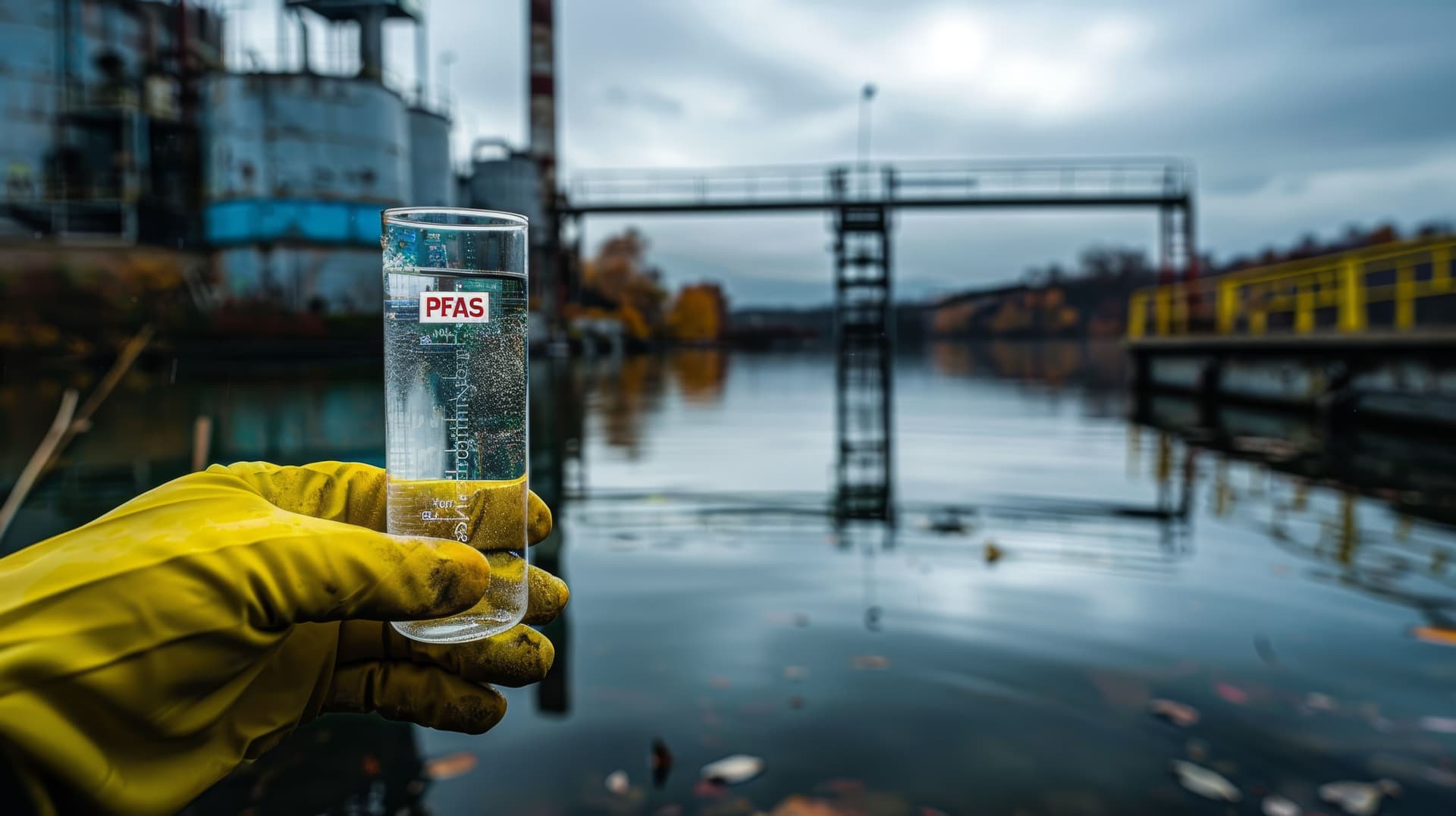
Factories, refineries, and industrial plants that used PFAS compounds often discharged waste into nearby waterways or landfills. Over time, contamination spread into municipal water supplies and residential areas.
Companies operating these facilities may be liable if they:
- Improperly disposed of PFAS waste
- Failed to monitor environmental impact
- Ignored contamination warnings
- Delayed cleanup efforts
Local contamination cases often involve extensive environmental testing and expert analysis to trace PFAS back to specific sources.
Shared Liability Across Multiple Parties
PFAS contamination cases frequently involve more than one responsible party. Manufacturers, distributors, facility operators, and even waste management companies may share liability.
Courts often examine the entire lifecycle of PFAS—from production to disposal—to determine who contributed to exposure. Shared liability ensures that accountability reflects the complexity of contamination rather than placing blame on a single entity.
This approach also increases the likelihood that victims can recover meaningful compensation.
The Role of Prevention and Household Safety
While legal accountability focuses on past harm, individuals often want to know how to protect themselves moving forward. Guidance on steps to reduce PFAS exposure in your home can help limit ongoing contact through water filtration, product choices, and food preparation practices.
However, personal prevention does not replace corporate responsibility. Individuals should not bear the burden of avoiding chemicals they were never warned about in the first place.
Why Legal Action Matters for Public Health
Holding responsible parties accountable serves a broader purpose beyond individual compensation. Lawsuits often lead to:
- Environmental cleanup funding
- Safer manufacturing practices
- Product reformulation
- Increased regulatory oversight
Legal pressure has been one of the most effective tools in forcing transparency and change related to PFAS use.
How PFAS Lawsuits Are Shaping Accountability
As litigation expands, PFAS lawsuits are uncovering internal documents, historical testing data, and decision-making processes that reveal how long risks were known.
These cases play a critical role in shaping future policy and corporate behavior. They also provide a voice for communities that were exposed without consent or warning.
The pursuit of accountability reflects a growing recognition that environmental harm has real human consequences.
Why Legal Guidance Is Essential
PFAS contamination cases involve complex scientific evidence, environmental data, and legal standards. Navigating these claims requires careful investigation and strategic legal action.
Understanding who may be liable—and how to build a strong case—can significantly affect outcomes for affected individuals and communities.
GetCompensation.LAW remains committed to helping victims understand their rights, identify responsible parties, and pursue justice for PFAS-related harm. Through education and legal advocacy, accountability becomes a pathway to both compensation and prevention.